Exhibitionary Practices
Museums in the Czech Republic possess significant quantities of non-European artefacts from the Islamic world, native American nations, Oceania, India, and southern Africa. Best known is the Náprstek Museum of Asian, African and American cultures in Prague, but many other museums across the Czech Republic also have significant holdings. The project undertakes an analysis of the formation and development of such collections. It also examines how such material was presented.
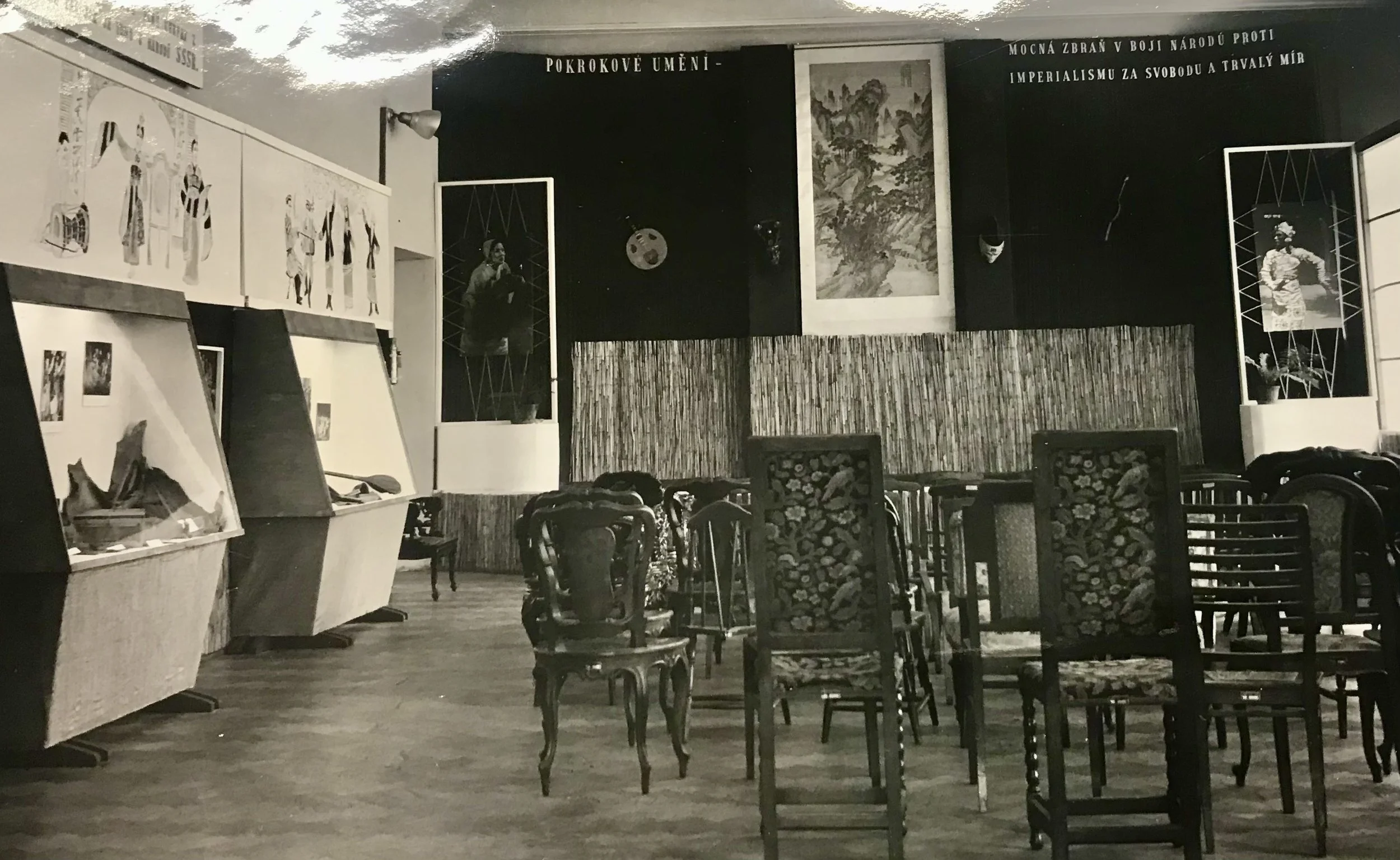
The exhibition Art Against Imperialism presenting exhibits from the travels of Jiří Hanzelka and Miroslav Zikmund. (c) National museum
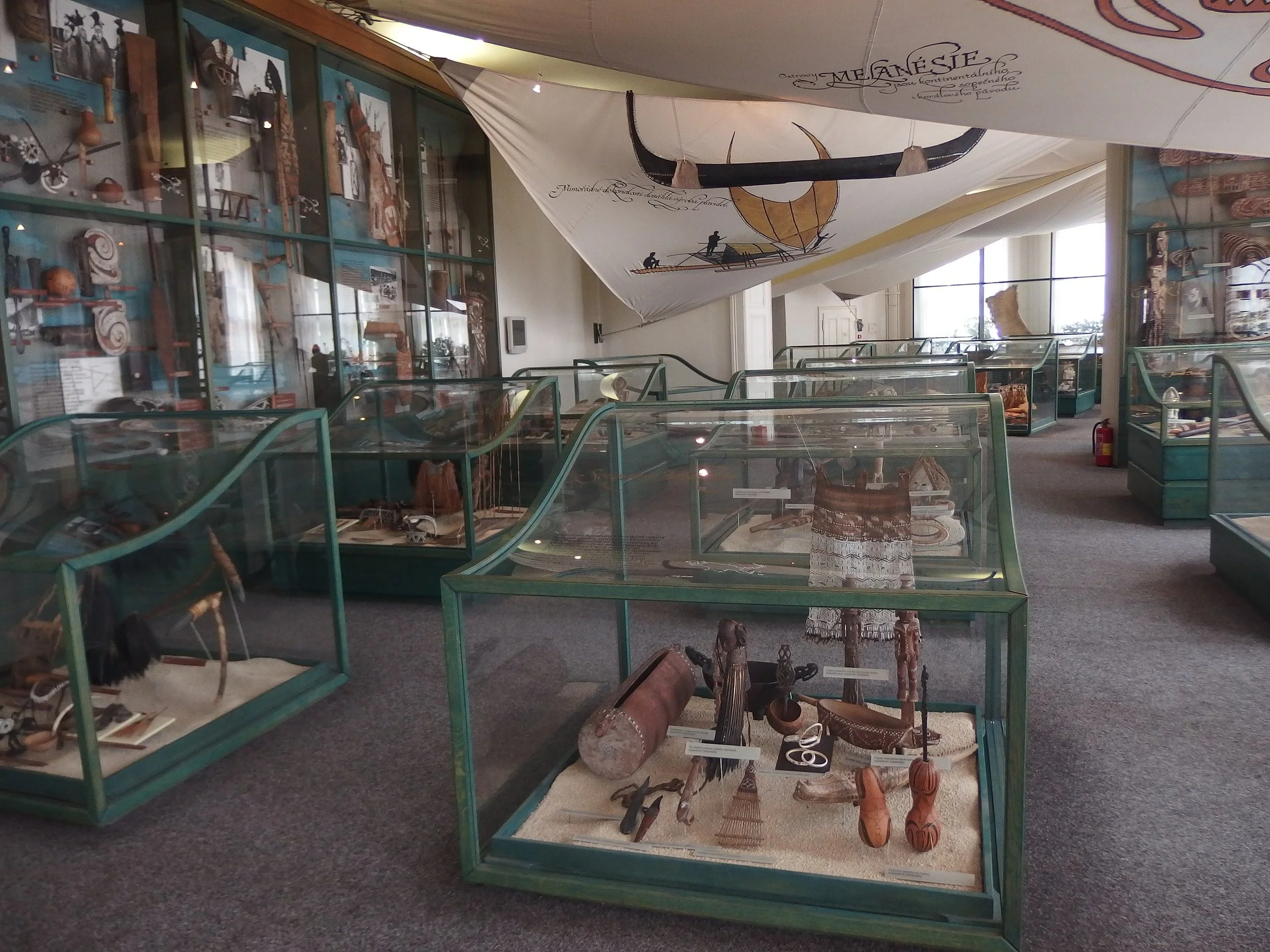
Permanent exhibition at the Náprstek Museum of Asian, African and American Cultures (part of the National Museum in Prague). (c) National Museum
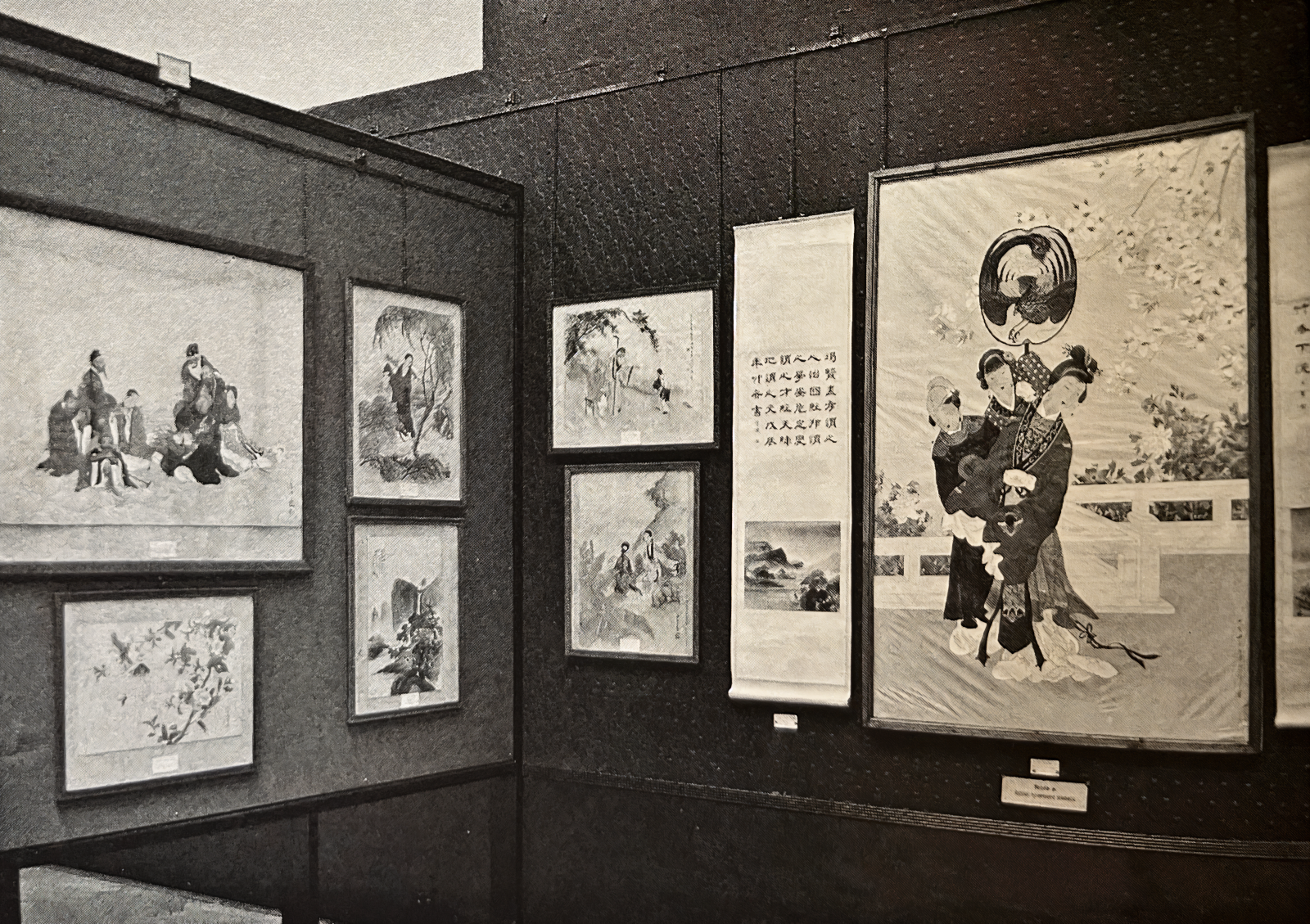
Exhibition of the Chinese Painters Wang-Sho-Ling, Wang-Win-Si, and the Chinese Paintress Shita Sun held in Pilsen in November and December 1929 in the West Bohemian Museum in Pilsen (c) Pilsen Museum archive
Before the 1950s, the emphasis was mostly laid on collecting and exhibiting historic and ‘traditional’ art, but from the mid-1950s onwards, there was a considerable interest in organising exhibitions of recent and contemporary art, from countries as wide-ranging as Mexico, Vietnam and the United Arab Republic. The impulse for much of this activity came from the global ambitions of the Soviet Union, yet do we dismiss it as merely an exercise in cold war cultural politics? How might exhibitionary policies and activities be interpreted?